


What if digital doubles could capture every pore and wrinkle as if they were real?
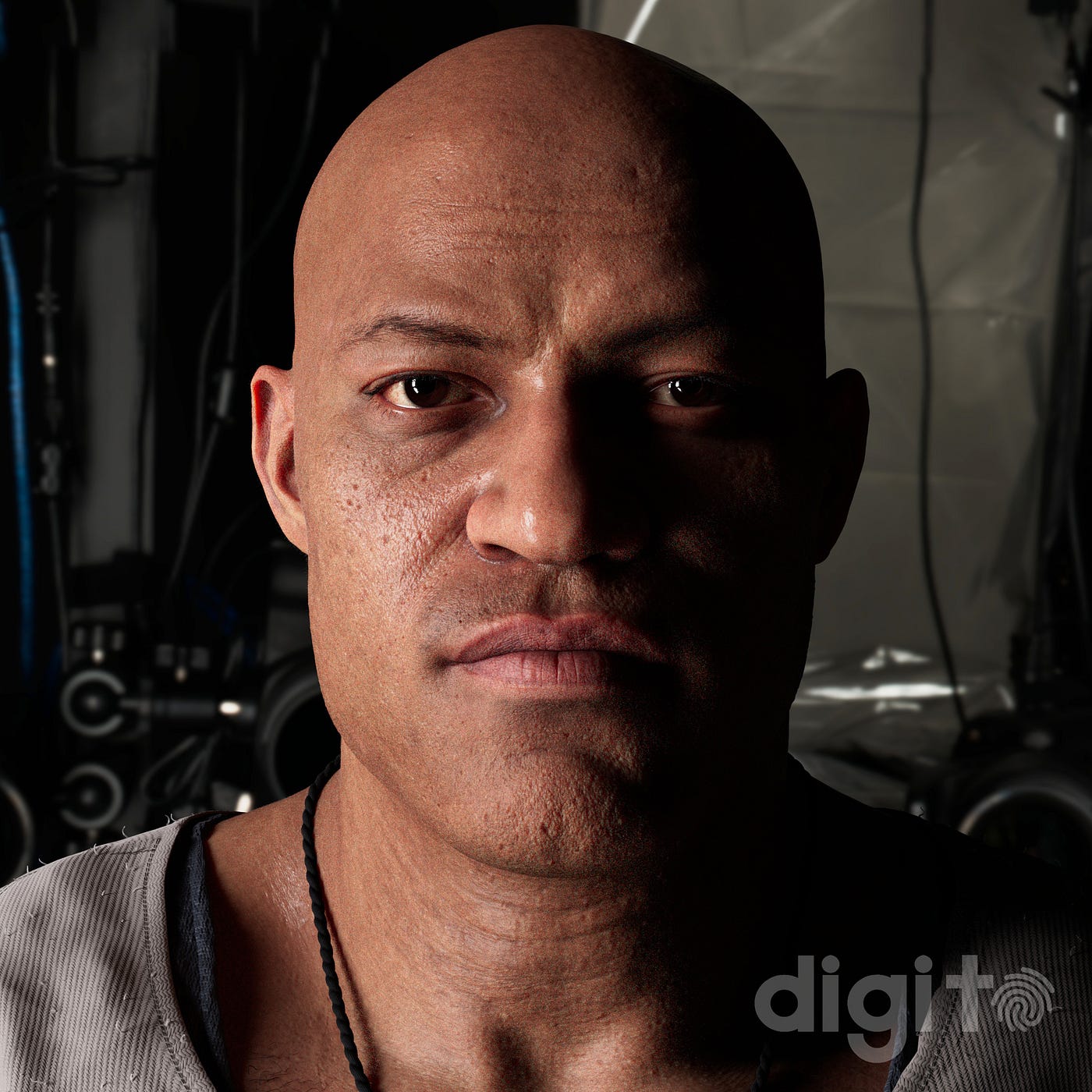
At Digito, we’re constantly testing new ways to push realism in digital humans. For this study, I decided to recreate Laurence Fishburne from The Matrix (1999) — not only as a nod to one of the most iconic films in sci-fi history, but also as a technical testbed for a new set of maps that could redefine how we approach skin details.
Why SKAP Maps?
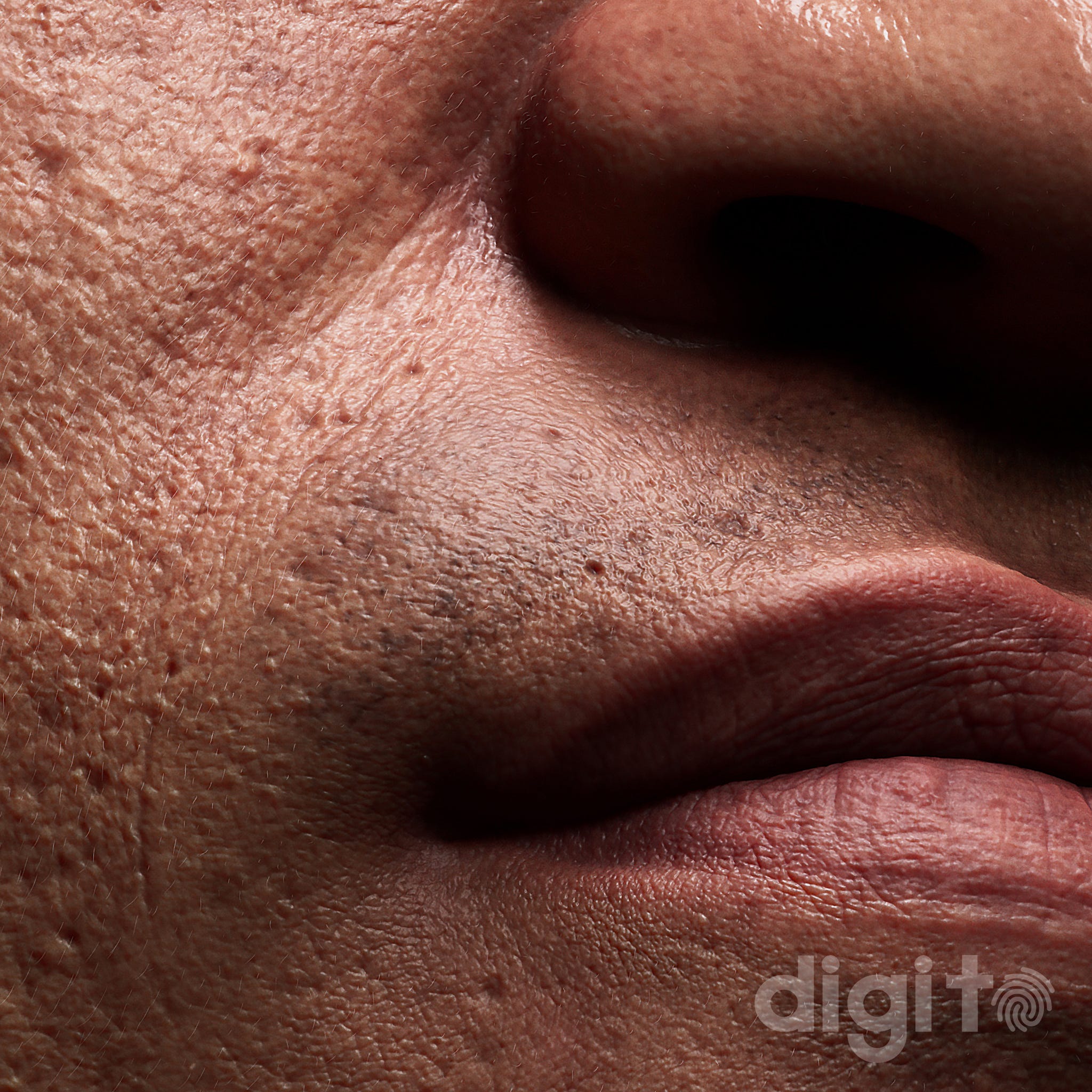
The centerpiece of this test is the new SKAP maps developed by TexturingXYZ. Unlike traditional displacement or normal maps, SKAP maps are designed to provide high-frequency displacement and cavity information that brings pores, wrinkles, and micro-details to life.
They’re raw by design — not pre-calibrated — which means how you integrate them into your pipeline will make or break the final look. This gives artists flexibility, but also requires a thoughtful workflow.

First Steps in Maya
I kicked off the process in Maya with Arnold. Using the SKAP maps, I layered high-frequency details on top of the sculpted base mesh. The goal wasn’t just to make the skin look “bumpy,” but to capture the subtle transitions of light across each pore, which is critical for believability.
Get Marlon R. Nunez’s stories in your inbox
Join Medium for free to get updates from this writer.
What stood out immediately was the cavity information — it adds an extra dimension of depth that standard displacement maps often miss. The render in Arnold showed how well these details hold up under cinematic lighting conditions.
Next Stop: Unreal Engine
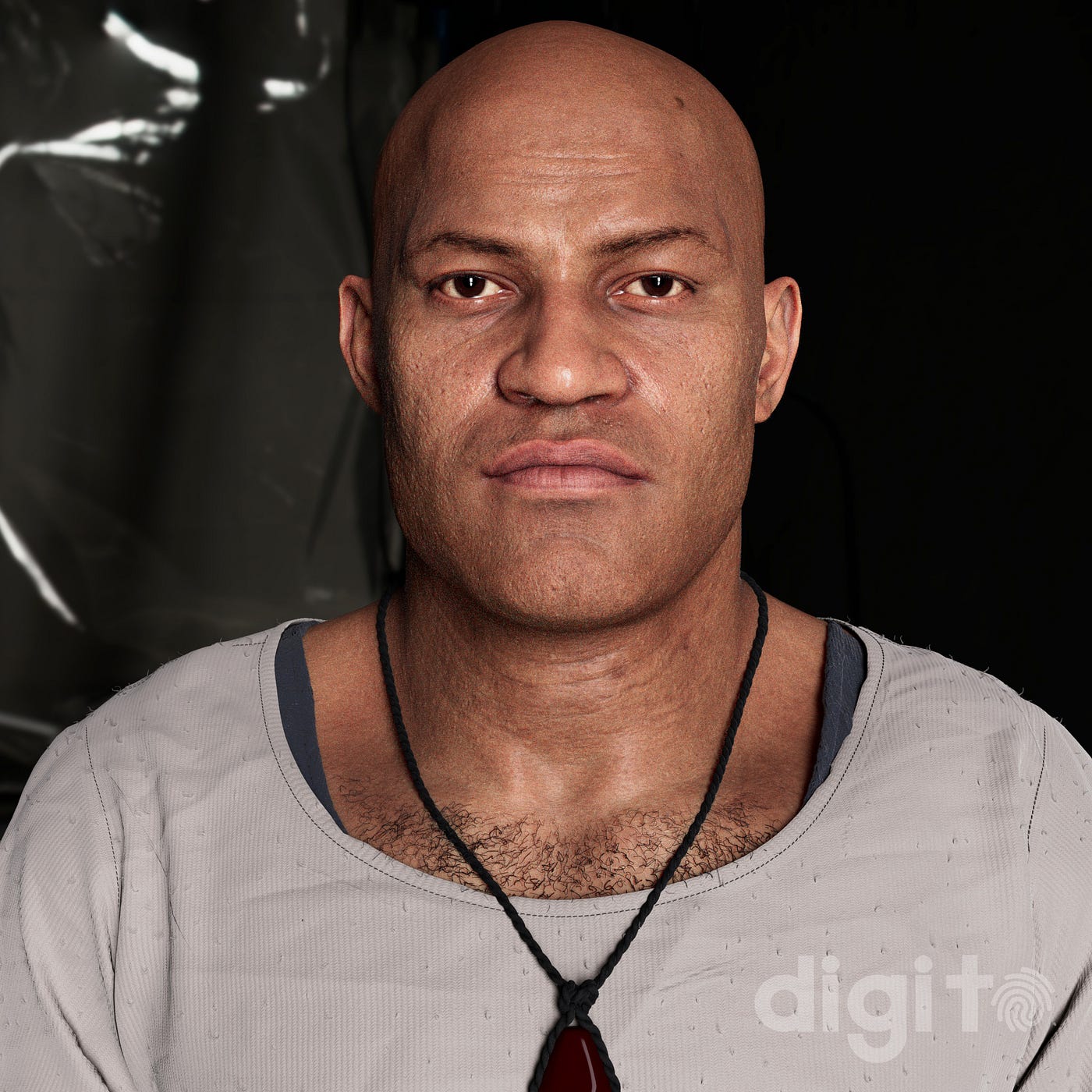
The next phase is where things get exciting: bringing the character into Unreal Engine. Using the current MetaHuman setup, I’ll apply the same RGB multichannel workflow.
The challenge here lies in translation — making sure the fidelity I see in Arnold is preserved in real-time. If successful, this opens up doors for hyper-realistic performances in interactive media, VR/AR, and even AI-driven avatars.
Why It Matters
Digital doubles are no longer just about likeness; they’re about authenticity. If audiences can read every pore, wrinkle, and subtle expression, characters stop feeling CG and start feeling alive. That’s the threshold we’re aiming to cross.
Projects like this aren’t just technical exercises — they’re glimpses into the future of storytelling and digital performance.
Acknowledgments
A huge shoutout to Jeremy Celeste and the team at TexturingXYZ for sharing the enhanced SKAP maps 🙌. Tools like these fuel the next generation of digital humans, and at Digito, we’re excited to keep experimenting, testing, and sharing what we learn with the community.
👉 Follow along for more R&D breakdowns, workflow insights, and experiments on the frontier of digital human creation.


